OBD, Bench and Boot ECU Programming Explained
ECU tuning tools normally communicate with an engine controller in one of three ways: OBD, bench or boot. Understanding the difference makes choosing equipment much easier.
OBD programming is carried out through the vehicle's diagnostic socket. When supported, it is generally the simplest method because the ECU remains fitted to the vehicle.
Bench programming requires access to the ECU itself. The ECU is connected directly to the tuning tool using the appropriate wiring or adapter, but many modern bench protocols do not require the ECU housing to be opened.
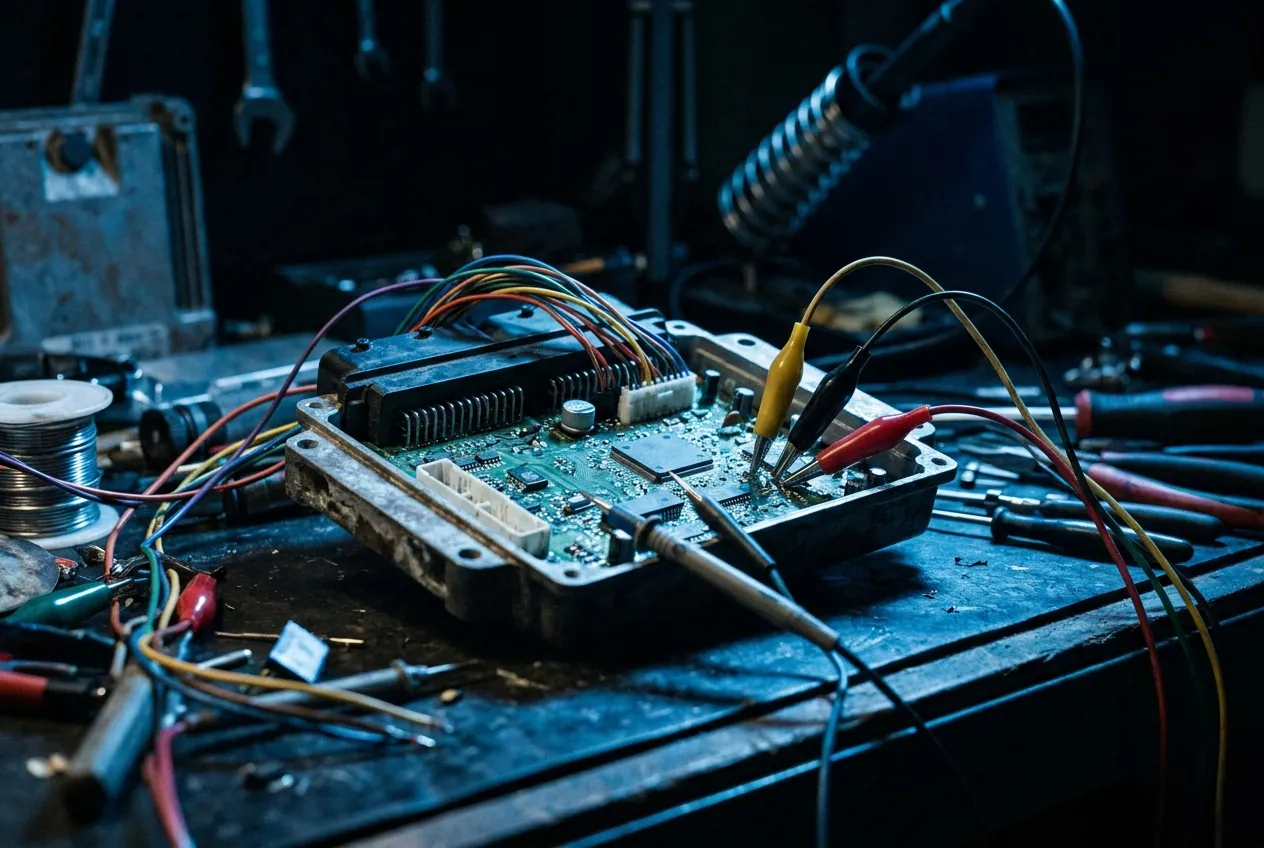
Boot programming is used where deeper access to the ECU is required. Depending on the controller, this can involve opening the ECU and making the specified connections directly to the unit.
Not every vehicle or ECU supports every method. Coverage depends on the ECU, software version and protocol available from the tool manufacturer.
This is why buying a tuning tool purely from a headline vehicle count is rarely a good idea. What matters is whether it covers the vehicles that actually enter your workshop using a practical programming method. See the tuning tools we supply or browse cables and adapters.